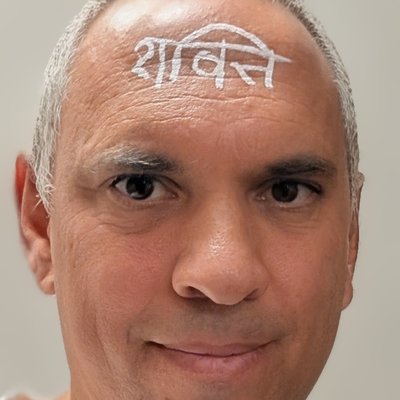
Portrait of Sri Prem Das

Sri Prem Das

Advaita Vedanta in Context: Non-Duality, the Vedanta Schools, and the Six Astika Philosophies

To truly appreciate Advaita Vedanta, it helps to see it within the broader landscape of Indian philosophy. Within Classical Hindu thought, there are six main orthodox systems (Shat Darshanas) that accept the authority of the Vedas, alongside various sub-schools of Vedanta that interpret the core texts differently.

1. The Six Orthodox Systems (Shat Darshanas)

Hindu philosophy traditionally recognizes six primary schools (Astika Darshanas). Each provides a unique lens through which to view reality, knowledge, and liberation:

  • Nyaya (Logic): Focuses on epistemology and rigorous logical analysis as the means to obtain valid knowledge and overcome suffering.
  • Vaisheshika (Atomism): A naturalistic philosophy that categorizes the physical universe into fundamental elements and atomic building blocks.
  • Sankhya (Dualism): Proposes a strict dualism between Purusha (pure, unattached consciousness) and Prakriti (primordial matter/nature).
  • Yoga (Meditation & Practice): Builds directly upon Sankhya’s dualistic framework, providing a practical, eight-limbed pathway (Ashtanga) to quiet the mind and realize Purusha.
  • Mimamsa (Ritualism): Focuses on the ritualistic and action-oriented portions (Karma Kanda) of the Vedas, emphasizing duty (Dharma) and Vedic injunctions.
  • Vedanta (End of the Vedas): Focuses on the philosophical and contemplative portions (Jnana Kanda) of the Vedas—primarily the Upanishads, the Bhagavad Gita, and the Brahma Sutras.

While schools like Nyaya or Yoga focus on methodology, logic, and practice, Vedanta addresses the ultimate inquiry into the nature of reality (Brahman), the self (Atman), and the cause of existence.

2. The Major Schools of Vedanta

Within Vedanta itself, different masters formulated distinct perspectives based on how they understood the relationship between the individual soul (Jiva), the universe (Jagat), and the Supreme Reality (Brahman):

SchoolPrimary FounderCore Perspective
Advaita (Non-Dualism)Adi ShankaraAbsolute Non-Duality: Brahman alone is real; the world is an illusory appearance (Maya); the individual self (Atman) is fundamentally identical to Brahman.
Vishishtadvaita (Qualified Non-Dualism)RamanujaQualified Non-Duality: Brahman is the supreme whole, while individual souls and matter are real, distinct attributes or "parts" of God (like cells in a body).
Dvaita (Dualism)MadhvacharyaStrict Dualism: God (Brahman), individual souls, and matter are completely distinct entities. Liberation comes through devotion (Bhakti) and grace.
Achintya Bheda-Abheda (Inconceivable Oneness & Difference)Chaitanya MahaprabhuSimultaneous Oneness & Difference: The soul and God are inconceivably identical in quality yet distinct in quantity, akin to a drop of ocean water and the ocean itself.

3. What Makes Advaita Vedanta Unique?

While other schools often maintain a distinction between the worshiper and the Divine, Advaita Vedanta stands out for its uncompromising non-dualist perspective:

  • Non-Duality (Advaita): There are not two ultimate realities. All apparent multiplicity—matter, thoughts, individual beings, and distant worlds—is a manifestation of a single, undivided consciousness.
  • The Illusion of Separation (Maya): The feeling of being a limited, isolated individual is caused by ignorance (Avidya). This ignorance creates the projection of time, space, and individuality.
  • Liberation Through Knowledge (Jnana): Enlightenment is not about attaining a new state or traveling to a higher realm; it is the immediate, direct recognition of what has always been true: You are the ultimate reality (Tat Tvam Asi – "That Thou Art").

By placing Advaita Vedanta alongside the practical methods of Yoga, the dualism of Sankhya, and the devotional traditions of Dvaita and Vishishtadvaita, we see that it is part of a rich, interconnected tapestry—offering a direct path of self-inquiry for those seeking to recognize the underlying oneness of all existence.

Philosophy, Energy & Consciousness: Comparing the Upanishads and Tantra

Eastern wisdom traditions offer a profound perspective on life, the nature of consciousness, and human evolution. While both the Upanishads (the philosophical pinnacle of the Vedas) and Tantra share the ultimate goal of spiritual liberation (Moksha), they differ fundamentally in their worldview and practice.

The Perspective of the Upanishads

The Upanishads teach the absolute unity of all life: the exact same divine Self (Atman or Brahman) resides in every being—whether human, animal, or plant.

  • Prana & Life Force: Activities, passions, and hobbies are expressions of one fundamental life force (Prana). They are not inherently "misguided energy"; rather, their impact depends entirely on the focus and intention of our mind (Sankalpa).
  • The Ladder of Consciousness: All beings share the same essential core, differing only in the degree of unfolded consciousness. While plants and animals live in harmony with their natural instincts, humans possess the unique capacity for self-reflection and discrimination (Buddhi).
  • Karma & Reverence for Life: Because all life is interconnected, the principle of non-violence (Ahimsa) is paramount. Utilizing natural resources or food is meant strictly for physical survival—maintaining the human body as a vehicle for self-realization.

The Tantric Approach: Transformation over Renunciation

While the classical Upanishads emphasize the path of intellectual discernment and transcendence (Neti, Neti — "Not this, not that"), Tantra embraces the physical world entirely.

  • The World as Energy (Shakti): The material world is not a mere illusion, but the dynamic expression of the divine. The body, senses, and emotions are not suppressed; instead, they are utilized as tools for transformation.
  • The Multitude of Goddesses & Gods: The diverse forms of the divine in Tantra serve as precise energetic archetypes (such as Kali, Durga, or Saraswati). They act as mirrors of the mind to help consciously guide emotional and subtle forces.
  • Conscious Partnership & Sexuality: Tantra honors and sanctifies life force energy (Shakti). The focus is never on unconscious impulse or superficial consumption, but rather on mindfulness, presence, and recognizing the divine within one another.

Conclusion

Both the path of Vedanta (Upanishads) and the path of Tantra lead to the exact same realization: the individual self and universal consciousness are one.

Whether through the stillness and reflection of the mind or through the dynamic expression and transformation of our vital energy, both paths invite us to experience life with deeper awareness, respect, and devotion.

Sex in the Context of Liberation

When exploring traditional spiritual philosophies like Vedanta and the Upanishads, sexuality is often misunderstood as a taboo or an absolute barrier to spiritual growth. However, the core teachings reveal a much more nuanced perspective: it is not the physical act itself that binds us, but the underlying psychological dynamic of attachment (Sanga) and the illusion of lack.

The Core Paradox: Wanting vs. Being Whole

In the ancient texts, liberation (Moksha) is defined as the realization that your true nature (Atman) is already whole, complete, and boundlessly free (Tat Tvam Asi – "Thou art That").

When sexuality is driven by a subtle sense of inadequacy—the belief that we need another person or an external experience to complete us—it falls under Kama (desire rooted in lack). This dynamic reinforces the ego (Ahamkara) and keeps the mind trapped in cyclical seeking (Samsara).

However, the traditional framework also recognizes that life unfolds in stages (Ashramas). Within a balanced, responsible life (Grihastha or householder phase), intimate union and love are recognized as natural, valid, and deeply sacred dimensions of human experience. In fact, texts like the Brihadaranyaka Upanishad even equate intimate union to a sacred ritual, recognizing that the momentary cessation of the ego during climax offers a brief, intuitive glimpse of our inherent, blissful nature (Ananda).

From Attachment to Authentic Freedom

Spiritual maturity does not demand forced suppression or artificial celibacy. Suppressing natural drives only creates inner division and friction. Instead, spiritual evolution transforms our relationship to sexuality:

  • Driven by Lack: Seeking intimacy to escape loneliness, validate identity, or fill an inner void.
  • Lived in Wholeness: Engaging in intimacy from an already present sense of inner completeness, where connection becomes a shared expression of presence, affection, and divine unity.

Ultimately, sexual expression is not an obstacle to liberation; the obstacle is searching for ultimate completion where it cannot be found. True freedom arrives when you recognize that the fullness you seek outward is already what you are within.

The Path to Enlightenment

The spiritual journey is often described through various paths and practices: bodywork, breath control, chanting, devotion, and intellectual inquiry. While these methods can sometimes seem distinct or even conflicting, classical yoga systems (Raja Yoga, Advaita Vedanta) treat them as an integrated, step-by-step ladder designed to refine human consciousness.

The Ultimate Destination: Silent, Objectless Awareness

At the apex of all practices lies free, silent meditation (Nirguna Dhyana or Open Monitoring). In this state, the mind lets go of all anchors—there is no breath counting, no visualization, no mantra, and no technique. The searching mind rests back into its source: pure, unconditioned awareness.

Modern neuroscience strongly corroborates this classical view using EEG and fMRI mapping:

  • Deactivation of the Default Mode Network (DMN): The DMN is the brain network responsible for ego-narratives, self-referential worrying, and time-traveling thoughts.
  • Global Coherence: During open, silent awareness, the DMN quietens significantly while whole-brain Alpha and Gamma synchronization rises, corresponding directly to the subjective experience of ego-dissolution and unbroken presence.

Because silent awareness directly collapses the distinction between the subject ("I am meditating") and the object ("the thing I am meditating on"), it is considered the gold standard and the direct gateway to liberation.

Why We Need the Catalysts: The Preparatory Ladder

If silent meditation is the gold standard, why not simply sit in silence from day one?

Because an overstimulated, anxious, or unrefined mind cannot simply "be still." Forcing a turbulent mind into silence typically leads to hidden rumination, restlessness, or dullness (Tamas). The various traditional practices act as necessary catalysts and scaffolding to prepare the nervous system for real silence:

  1. Ethical & Lifestyle Foundations (Yamas & Niyamas)

    Purpose: Eliminates the mental conflict, guilt, and lifestyle chaos that fuel background mental noise.

  2. Body & Energy Mastery (Hatha Yoga & Pranayama)

    Purpose: Regulates the autonomic nervous system via vagal stimulation. Quieting physical restlessness and balancing vital energy (Prana) stabilizes the biological vehicle.

  3. Focus & Sound (Active & Passive Mantras)

    Purpose: Channels the scattered mind into a single point (Ekagrata). A mantra overrides internal monologues until the repetition naturally dissolves into background silence (Laya).

  4. Heart & Devotion (Bhakti)

    Purpose: Softens the ego's demand for control through surrender, emotional alignment, and open-heartedness.

  5. Self-Inquiry & Discrimination (Jnana Yoga & Vichara)

    Purpose: Uses sharp intellectual inquiry ("Who is the observer?") to deconstruct false identifications with thoughts and emotions.

The Scaffolding and the Building

Think of these practices as the scaffolding and silent meditation as the building.

Hatha yoga, breathwork, and mantras systematically clear away the physical, energetic, and emotional friction within your system. Once the nervous system is calibrated and the mind is steady, the scaffolding naturally falls away—leaving you resting effortlessly in the silent, luminous space of your true nature.

Mantras

Sacred sound to chant, listen to, and rest in.

Gayatri Mantra

ॐ भूर्भुवः स्वः ।
तत्सवितुर्वरेण्यं
भर्गो देवस्य धीमहि ।
धियो यो नः प्रचोदयात् ॥

oṃ bhūr bhuvaḥ svaḥ |
tat savitur vareṇyaṃ
bhargo devasya dhīmahi |
dhiyo yo naḥ pracodayāt ||

Translation: Om. Earth, atmosphere, heavens. We meditate on the adorable radiance of the divine Savitr (the Sun); may it inspire and illumine our understanding.

From the Rig Veda (3.62.10), attributed to the sage Vishvamitra, with the opening vyāhṛtis (bhūr bhuvaḥ svaḥ) added in later recitation. It is a prayer not for things but for clarity: that the light of consciousness awaken the intellect. Chanted at dawn and dusk, it is among the most revered verses of the Vedic tradition.

Pūrṇamadaḥ (Shanti Mantra)

ॐ पूर्णमदः पूर्णमिदं
पूर्णात्पूर्णमुदच्यते ।
पूर्णस्य पूर्णमादाय
पूर्णमेवावशिष्यते ॥
ॐ शान्तिः शान्तिः शान्तिः ॥

oṃ pūrṇam adaḥ pūrṇam idaṃ
pūrṇāt pūrṇam udacyate |
pūrṇasya pūrṇam ādāya
pūrṇam evāvaśiṣyate ||
oṃ śāntiḥ śāntiḥ śāntiḥ ||

Translation: Om. That is whole; this is whole. From the whole, the whole arises. Taking the whole from the whole, the whole alone remains. Om, peace, peace, peace.

The peace invocation of the Isha Upanishad, also found in the Brihadaranyaka Upanishad (5.1.1). It expresses the heart of Advaita: the infinite (Brahman) and the manifest world are both complete, and nothing can be added to or taken from the Whole. It is chanted to open and close the study of the Upanishads.

Om Mani Padme Hum

ॐ मणि पद्मे हूँ

oṃ maṇi padme hūṃ

Translation: Om, the jewel in the lotus, hūṃ. (Often rendered “Om, jewel-lotus, hūṃ”; the syllables are traditionally explained rather than translated word for word.)

The six-syllable mantra of Avalokiteshvara (Chenrezig), the bodhisattva of compassion, first appearing in the Buddhist Kāraṇḍavyūha Sūtra. The jewel symbolizes compassionate method and the lotus pure wisdom; their union is awakening. It is the most widely recited mantra of Tibetan Buddhism.

Mul Mantra (Mool Mantar)

ੴ ਸਤਿ ਨਾਮੁ ਕਰਤਾ ਪੁਰਖੁ
ਨਿਰਭਉ ਨਿਰਵੈਰੁ ਅਕਾਲ ਮੂਰਤਿ
ਅਜੂਨੀ ਸੈਭੰ ਗੁਰ ਪ੍ਰਸਾਦਿ ॥
ਜਪੁ ॥
ਆਦਿ ਸਚੁ ਜੁਗਾਦਿ ਸਚੁ ॥
ਹੈ ਭੀ ਸਚੁ ਨਾਨਕ ਹੋਸੀ ਭੀ ਸਚੁ ॥

Ek Ong Kār, Sat Nām, Kartā Purakh,
Nirbhau, Nirvair, Akāl Mūrat,
Ajūnī, Saibhaṅ, Gur Prasād.
Jap.
Ād Sach, Jugād Sach,
Hai Bhī Sach, Nānak Hosī Bhī Sach.

Translation: One Creator, whose Name is Truth, the Creative Being, without fear, without hatred, timeless in form, unborn, self-existent, known by the Guru's grace. Meditate. True in the beginning, true through the ages, true now, and, says Nanak, forever true.

The opening of the Guru Granth Sahib (Japji Sahib, Ang 1), composed by Guru Nanak. It is the foundational statement of Sikh theology, describing the One Reality that is beyond time, birth and fear. Chanting it is held to align the mind with that unchanging truth.

Chattr Chakkr Vartee

ਚਤ੍ਰ ਚਕ੍ਰ ਵਰਤੀ ਚਤ੍ਰ ਚਕ੍ਰ ਭੁਗਤੇ ॥
ਸੁਯੰਭਵ ਸੁਭੰ ਸਰਬਦਾ ਸਰਬ ਜੁਗਤੇ ॥
ਦੁਕਾਲੰ ਪ੍ਰਣਾਸੀ ਦਿਆਲੰ ਸਰੂਪੇ ॥
ਸਦਾ ਅੰਗ ਸੰਗੇ ਅਭੰਗੰ ਬਿਭੂਤੇ ॥

Chattr chakkr vartī, chattr chakkr bhugate,
suyambhav subhaṅ, sarabdā sarab jugate,
dukālaṅ praṇāsī, diālaṅ sarūpe,
sadā aṅg saṅge, abhaṅgaṅ bibhūte.

Translation: You pervade all four directions and are the enjoyer in all four directions. You are self-existent, beautiful, and forever united with all. Destroyer of bad times, embodiment of mercy: You are ever with us, the giver of indestructible power.

The closing verse (199) of Jaap Sahib by Guru Gobind Singh, the tenth Sikh Guru. In Kundalini Yoga it is chanted to overcome fear, anxiety and depression, reminding us that the Infinite is always present and protecting.

Narayan Shabd

ਨਾਮੁ ਨਿਰੰਜਨੁ ਨੀਰਿ ਨਰਾਇਣ ॥
ਰਸਨਾ ਸਿਮਰਤ ਪਾਪ ਬਿਲਾਇਣ ॥੧॥ ਰਹਾਉ ॥
ਨਾਰਾਇਣ ਸਭ ਮਾਹਿ ਨਿਵਾਸ ॥
ਨਾਰਾਇਣ ਘਟਿ ਘਟਿ ਪਰਗਾਸ ॥
ਨਾਰਾਇਣ ਕਹਤੇ ਨਰਕਿ ਨ ਜਾਹਿ ॥
ਨਾਰਾਇਣ ਸੇਵਿ ਸਗਲ ਫਲ ਪਾਹਿ ॥੧॥

Nām niranjan nīr narāiṇ,
rasnā simrat pāp bilāiṇ. (Rahāu)
Nārāiṇ sabh māhi nivās,
nārāiṇ ghaṭ ghaṭ pargās,
nārāiṇ kahte narak na jāhi,
nārāiṇ sev sagal phal pāhi.

Translation: The Name of the Immaculate Lord is ambrosial water; chanting it with the tongue, sins are washed away. The Lord abides in everyone and illumines each and every heart. Chanting the Lord's Name, one does not fall into hell; serving the Lord, all rewards are obtained.

A shabad of Guru Arjan Dev in Raag Gond (Guru Granth Sahib, Ang 867–868); shown here are the refrain and first verse. Narayan is associated with water: just as rain revives a dry land, chanting this shabad is said to restore and refresh the heart.

Rakhe Rakhanhar

ਰਖੇ ਰਖਣਹਾਰਿ ਆਪਿ ਉਬਾਰਿਅਨੁ ॥
ਗੁਰ ਕੀ ਪੈਰੀ ਪਾਇ ਕਾਜ ਸਵਾਰਿਅਨੁ ॥
ਹੋਆ ਆਪਿ ਦਇਆਲੁ ਮਨਹੁ ਨ ਵਿਸਾਰਿਅਨੁ ॥
ਸਾਧ ਜਨਾ ਕੈ ਸੰਗਿ ਭਵਜਲੁ ਤਾਰਿਅਨੁ ॥
ਸਾਕਤ ਨਿੰਦਕ ਦੁਸਟ ਖਿਨ ਮਾਹਿ ਬਿਦਾਰਿਅਨੁ ॥
ਤਿਸੁ ਸਾਹਿਬ ਕੀ ਟੇਕ ਨਾਨਕ ਮਨੈ ਮਾਹਿ ॥
ਜਿਸੁ ਸਿਮਰਤ ਸੁਖੁ ਹੋਇ ਸਗਲੇ ਦੂਖ ਜਾਹਿ ॥

Rakhe rakhaṇhār āp ubārian,
gur kī pairī pāi kāj savārian,
hoā āp daiāl manahu na visārian,
sādh janā kai saṅg bhavjal tārian,
sākat nindak dusṭ khin māhi bidārian,
tis sāhib kī ṭek Nānak manai māhi,
jis simrat sukh hoi sagale dūkh jāhi.

Translation: The Saving Lord has Himself saved us. Falling at the Guru's feet, our affairs are resolved. He has become merciful and does not forget us. In the company of the holy, we are carried across the world-ocean. The faithless, the slanderers and the wicked are destroyed in an instant. Nanak holds the support of that Lord in his mind; remembering Him, peace comes and all sorrows depart.

A salok of Guru Arjan Dev in Raag Gujri (Guru Granth Sahib, Ang 517), also recited in the evening prayer Rehras Sahib. It is a prayer of protection and trust, sung to dissolve fear and surround oneself and loved ones with grace.

Adi Shakti (Kundalini Bhakti Mantra)

ਆਦਿ ਸ਼ਕਤੀ, ਆਦਿ ਸ਼ਕਤੀ, ਆਦਿ ਸ਼ਕਤੀ, ਨਮੋ ਨਮੋ ॥
ਸਰਬ ਸ਼ਕਤੀ, ਸਰਬ ਸ਼ਕਤੀ, ਸਰਬ ਸ਼ਕਤੀ, ਨਮੋ ਨਮੋ ॥
ਪ੍ਰਥਮ ਭਗਵਤੀ, ਪ੍ਰਥਮ ਭਗਵਤੀ, ਪ੍ਰਥਮ ਭਗਵਤੀ, ਨਮੋ ਨਮੋ ॥
ਕੁੰਡਲਿਨੀ ਮਾਤਾ ਸ਼ਕਤੀ, ਮਾਤਾ ਸ਼ਕਤੀ, ਨਮੋ ਨਮੋ ॥

Ādi Shakti, Ādi Shakti, Ādi Shakti, namo namo.
Sarab Shakti, Sarab Shakti, Sarab Shakti, namo namo.
Pritham Bhagvatī, Pritham Bhagvatī, Pritham Bhagvatī, namo namo.
Kuṇḍalinī Mātā Shakti, Mātā Shakti, namo namo.

Translation: I bow to the primal power. I bow to the all-encompassing power. I bow to that through which God creates (the primordial Goddess). I bow to the creative power of the Kundalini, the Divine Mother.

A devotional (bhakti) mantra of Kundalini Yoga as taught by Yogi Bhajan, not a scriptural text; its transmission is mainly oral and in Roman letters, so the Gurmukhi is an editorial rendering. It honors the feminine creative power of the cosmos and is chanted to dissolve fear and awaken inner strength.

Sat Narayan Wahe Guru

ਸਤਿ ਨਾਰਾਇਣ ਵਾਹਿਗੁਰੂ
ਹਰਿ ਨਾਰਾਇਣ ਸਤਿ ਨਾਮ

Sat Nārāyaṇ Wāhe Gurū,
Hari Nārāyaṇ Sat Nām.

Translation: True Sustainer, indescribable Wisdom; creative Sustainer, True Identity.

A Kundalini Yoga mantra (also called the Chotay Pad mantra) taught by Yogi Bhajan rather than a scriptural verse; the Gurmukhi is an editorial rendering. Narayan again evokes the healing, flowing quality of water; the chant is used to calm the mind, bring clarity, and settle into peaceful presence.

Oneness Chant

Sri Bhagavan Om Amma Amma Bhagavan
Om Amma Bhagavan Om Ananda
Om Bhagavan Om Ananda
Om Om Om Bhagavan · Om Om Om Ananda
Shanti Bhagavan Shanti Bhagavan Om

Translation: Om, blessed Lord (Bhagavan), Mother (Amma); Om, bliss (Ananda); peace (Shanti), O Lord.

A modern devotional chant by Lauren Monroe and Rick Allen (2009), inspired by the Oneness movement of Sri Amma Bhagavan; it is not a scriptural mantra and is sung in this romanized form. It invokes the Divine as Mother and Lord, with bliss and peace, as an invitation into the felt experience of oneness.